




















Ethanol is a clear, colorless liquid that’s a byproduct of plant fermentation. This means it’s not produced on its own, but as a result of another process. Some genes make us more sensitive to alcohol, while other variants may make us less vulnerable to its effects.
Does Being Drunk Always Cause Alcohol Brain Fog?
It continues its rampage throughout the body, disturbing the sleep cycle, causing dehydration, and wreaking havoc in the stomach. The next day, we’re left with a pounding headache, Sahara Desert-level thirst, and a stomach performing its own version of the Riverdance. Alcohol, master of disguise that it is, can make us feel invincible. Suddenly, you’re an incredible dancer or the world’s most hilarious stand-up comedian. The joy, the confidence, the lowered inhibitions — that’s all the alcohol talking.
How to Sober Up From Alcohol
And if they’re vomiting, make sure they’re turned on their side so they don’t choke on their own vomit. Too much alcohol can be dangerous – but with a little knowledge, you can help keep yourself and your friends safe. Alcohol impairs the cerebellum, leading to delayed reaction times, poor coordination, and an unsteady gait. You’ll meet hundreds of fellow Reframers in our 24/7 Forum chat and daily Zoom check-in meetings.
The Science Behind Alcohol and the Brain
The Reframe app equips you with the knowledge and skills you need to not only survive drinking less, but to thrive while you navigate the journey. Our daily research-backed readings teach you the neuroscience of alcohol, and our in-app Toolkit provides the resources and activities you need to navigate each challenge. Alcohol might seem like a friendly social lubricant, but it’s a sneaky one, quietly infiltrating our brain and bodily systems. Its first stop is the central nervous system — the brain — command central for all our actions, thoughts, what does being drunk feel like and feelings. Our state-specific resource guides offer a comprehensive overview of drug and alcohol addiction treatment options available in your area. Representatives at The Recovery Village are available to discusstreatment optionstailored to your situation.
- It begins to do its thing pretty much the moment it goes into your mouth, and its effects become more noticeable as the alcohol makes its way through your body.
- This is why your speech might become slurred, your movements less coordinated, and your reaction time delayed.
- This is because alcohol stimulates the release of neurotransmitters like dopamine and serotonin, which contribute to these feelings.
- Your body functions will slow so much that you will fall into a coma, putting you at risk of death.
Long-Term Effects on Brain Function
Receive encouragement from people worldwide who know exactly what you’re going through! You’ll also have the opportunity to connect with our licensed Reframe coaches for more personalized guidance. For more information on binge drinking and how to stop it, read What Is Binge Drinking and How Can You Stop It?. For more on how alcohol impacts emotions, you can read How Does Alcohol Impact Your Emotions?. Critical slowing of body functions occurs, leading to a life-threatening situation. If you’re having difficulties abstaining from alcohol, consider seeking treatment.

All information included on services and the website is for informational purposes only. Content posted on any web site, mobile program, social media channels, third party content service, or ad is for informational purposes only. This web site isn’t responsible for your relationship with other users of the site or services, retail place, health care provider, or any dispensary.
What Does Being Tipsy Mean?

Excessive alcohol use causes approximately 88,000 deaths annually in the United States, according to the Centers for Disease Control and Prevention (CDC). You will not be able to breathe normally, and your gag reflex won’t work correctly. This can be dangerous — even fatal — if you choke on your vomit or become critically injured. A BAC of 0.08 is the legal limit of intoxication in the United States.


When it comes to alcohol consumption, understanding the different levels of intoxication is essential in recognizing the effects it has on the body and behavior. The levels of being drunk can range from mild intoxication to moderate intoxication, and in severe cases, it can lead to dangerous levels of impairment. At this stage, individuals may feel more talkative, lively, and inclined to engage in conversations and interactions. They may experience a sense of euphoria and excitement, which can contribute to a more enjoyable social experience. However, it’s important to note that excessive alcohol consumption can amplify these effects and potentially lead to risky behaviors or poor decision-making. Understanding the initial effects of alcohol and the subsequent feelings of relaxation and euphoria is essential in recognizing the early stages of intoxication.
These effects may include a slight decrease in inhibitions, increased sociability, and a general sense of well-being. However, it is important to note that these initial effects can differ from person to person. However, there are different stages of being drunk depending on your blood alcohol content or blood alcohol concentration (BAC). The higher your BAC is, the more drunk you become, leading to side effects such as cognitive impairment, loss of coordination, dizziness, nausea, etc.
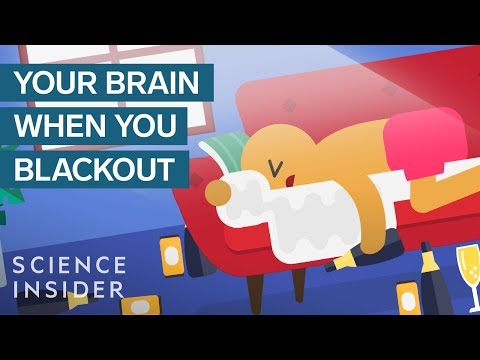
Think of your brain as a bustling city with a complex communication network. This chemical interference is why a fun night out can sometimes take alcoholism symptoms an unexpected emotional turn, leaving you feeling overwhelmed by feelings that seem to come out of nowhere. It’s a direct result of alcohol’s impact on your brain’s finely tuned system, not a reflection of your true, underlying emotional state. We publish material that is researched, cited, edited and reviewed by licensed medical professionals.
Conversations flow more easily, and you may feel more confident, though you might notice slight coordination changes and mild sensory dulling. In some instances, intoxication can impact an individual’s legal responsibility, but it does not usually serve as a complete defense for criminal acts. Overall, the law aims to regulate alcohol consumption to prevent harm, enforce responsible drinking, and reduce alcohol-related accidents and violence. Supportive medical care is essential, especially in severe cases, to ensure airway protection, hydration, and treatment of complications. Clinicians also consider other factors including mental alertness, coordination, and vital signs to assess severity. The use of standardized scales, such as the DSM-5 criteria, helps in confirming intoxication based on observable symptoms.